


Highlights
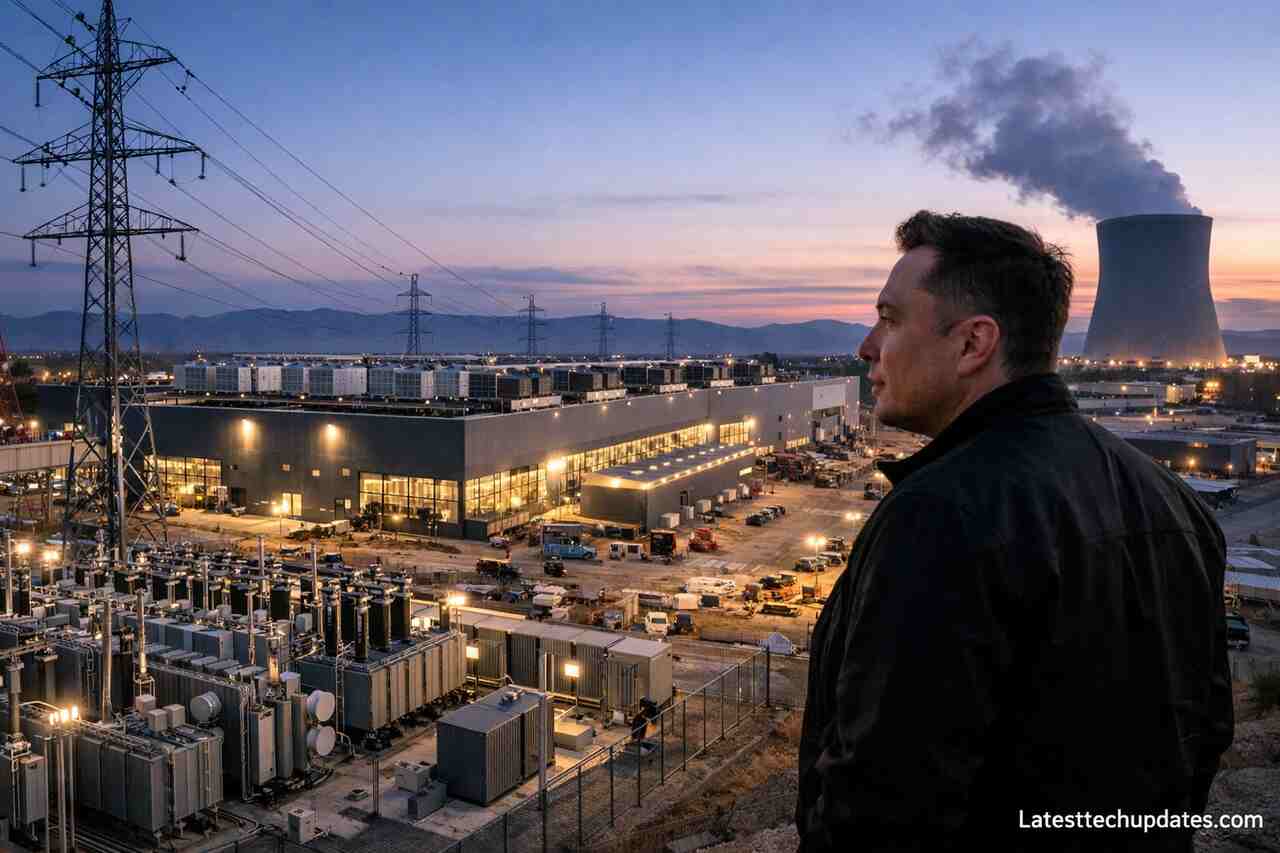
- xAI, the artificial intelligence company founded by Elon Musk, secured a regulatory permit for a temporary power plant to support its rapidly expanding AI datacenter infrastructure. AI datacenters require massive electricity to run thousands of GPUs that train advanced models and power large-scale machine learning systems.
- Energy demand from AI training infrastructure pushed xAI to build a makeshift power facility. GPU clusters used for large language models consume continuous megawatts of electricity, and the local power grid alone cannot reliably support such intensive computing workloads.
- The approved permit allows xAI to operate temporary generators near the datacenter, enabling stable energy supply while long-term infrastructure or grid upgrades continue. Temporary power systems help technology companies launch AI facilities faster without waiting years for permanent energy installations.
- Environmental groups and local communities raised strong objections to the decision. Critics argue that natural gas generators may increase air pollution through emissions such as nitrogen oxides and carbon dioxide, potentially affecting local air quality and climate goals.
- Noise pollution and community impact also triggered backlash. Large industrial generators produce constant mechanical noise, creating concerns for residents living near the facility.
- The controversy highlights a broader issue in the global AI race: massive electricity consumption. Companies developing advanced artificial intelligence systems increasingly require dedicated energy infrastructure to support large computing clusters.
- Regulators now face growing pressure to balance technological innovation with environmental responsibility. Governments must manage AI infrastructure expansion while enforcing transparent environmental regulations and community protections.
- The xAI permit controversy illustrates the emerging challenge of AI-driven energy demand, where rapid development of artificial intelligence technologies intersects with climate policy, infrastructure planning, and public accountability.
Why Did xAI Seek a Permit for a Makeshift Power Plant at Its Datacenter?
xAI pursued a permit for a temporary or makeshift power generation facility to ensure uninterrupted electricity supply for high-performance AI datacenters. AI training infrastructure requires enormous computational power, and such power demand frequently exceeds the capacity of local grids. A dedicated onsite power plant therefore becomes a strategic solution for stability, scalability, and operational continuity.
AI Datacenter Energy Demand
AI datacenters operate clusters of GPUs, high-bandwidth networking equipment, cooling systems, and storage arrays. GPU clusters used for large language models or multimodal AI training often consume megawatts of electricity continuously. Continuous energy demand creates pressure on regional electricity grids. Energy pressure motivates companies like xAI to build independent power generation systems, often powered by natural gas turbines or modular generators that provide stable baseload electricity for machine learning workloads.
Infrastructure Scaling for Advanced AI Models
Large AI models such as generative transformers require thousands of GPUs running in parallel. Parallel computing infrastructure increases computational throughput while simultaneously increasing electricity consumption. Energy consumption scales with model size, dataset volume, and training cycles. xAI’s strategy reflects a broader industry trend in which companies including hyperscale cloud providers build energy-intensive facilities designed to support rapid model iteration and AI experimentation.
Reliability and Grid Stability Considerations
Datacenter operations require uninterrupted power supply because training jobs may run for weeks. Power outages can interrupt distributed training clusters, corrupt datasets, and waste significant computational resources. On-site power plants provide redundancy alongside grid electricity. Energy redundancy reduces operational risk while improving resilience against grid instability, peak demand events, or regional energy shortages.
Temporary Generation as a Deployment Strategy
Temporary or makeshift power plants often function as interim solutions during infrastructure expansion. Construction timelines for grid upgrades or permanent power plants may extend several years. Portable generators, gas turbines, or modular energy units allow companies to begin operations while permanent infrastructure undergoes development. Rapid deployment supports faster rollout of AI research facilities and reduces delays in competitive AI development.
Why Did the Permit Approval Trigger Public Backlash?
Public backlash emerged due to environmental concerns, regulatory transparency issues, and community impact questions. Local communities, environmental organizations, and policy observers questioned the environmental footprint and regulatory process associated with the makeshift power facility.
Environmental Impact and Air Emissions
Natural gas generators and industrial turbines emit nitrogen oxides, carbon dioxide, and particulate matter. Environmental groups argue that large clusters of generators near residential areas may increase air pollution. Air quality concerns become more sensitive when facilities operate continuously. Datacenter emissions therefore become a focal point in debates about sustainable AI infrastructure and climate policy.
Noise and Community Disruption
Industrial generators produce significant mechanical noise, especially when multiple turbines operate simultaneously. Communities located near datacenter campuses may experience elevated noise levels. Noise pollution raises quality-of-life concerns and often leads to public hearings or municipal complaints. Local residents frequently demand stricter zoning regulations or mitigation strategies such as sound barriers and operational limits.
Transparency in Regulatory Approval
Permit approvals involving large technology companies sometimes generate scrutiny regarding regulatory procedures. Local activists and policy analysts often question whether environmental reviews received adequate scrutiny or whether accelerated approvals favored corporate interests. Regulatory transparency becomes essential when infrastructure projects involve high energy consumption and environmental implications.
Corporate Accountability in the AI Industry
Rapid growth in artificial intelligence development increases expectations for responsible infrastructure planning. Technology companies promoting innovation must also demonstrate environmental responsibility and community engagement. Public debate around xAI’s power plant reflects a broader industry challenge: balancing technological advancement with sustainable energy policies and local community interests.
How Do AI Datacenters Use On-Site Power Plants?
On-site power plants function as supplementary energy systems designed to support intensive computing workloads. AI datacenters integrate power generation, cooling infrastructure, and distributed computing hardware to create stable operational ecosystems for artificial intelligence research and deployment.
Natural Gas Turbine Generators
Natural gas turbines represent a common choice for industrial power generation because natural gas infrastructure already exists in many regions. Gas turbines convert fuel combustion into mechanical energy that drives electrical generators. High reliability, rapid start-up capability, and relatively lower emissions compared with coal power plants make natural gas turbines attractive for datacenter energy supply.
Modular Generator Clusters
Modular generators allow incremental scaling of power generation capacity. Operators install multiple generator units that collectively produce megawatts of electricity. Each generator module functions independently, enabling flexible energy management. Modular architecture also allows maintenance or replacement of individual units without shutting down the entire power system.
Integrated Cooling and Energy Systems
AI datacenters generate enormous heat because GPUs and processors operate at high utilization levels. Power generation systems therefore integrate closely with cooling infrastructure. Heat exchange systems, liquid cooling loops, and advanced ventilation designs maintain stable operating temperatures. Energy efficiency improves when datacenter architecture aligns power distribution with thermal management strategies.
Energy Storage and Backup Systems
Battery storage systems complement on-site power plants by stabilizing voltage and supporting peak loads. Lithium-ion battery arrays store excess electricity generated during lower demand periods. Stored energy supports computational spikes during large training runs. Combined energy generation and storage create a resilient energy architecture for AI infrastructure.
What Regulatory and Industry Implications Does the xAI Permit Create?
The permit decision highlights a growing regulatory challenge surrounding AI infrastructure expansion. Governments, technology companies, and environmental organizations must develop frameworks that address energy consumption, environmental sustainability, and technological innovation simultaneously.
Growing Energy Demand from Artificial Intelligence
Artificial intelligence workloads increase electricity demand across global technology sectors. Research from energy analysts indicates that AI datacenters may significantly influence national electricity consumption over the next decade. Governments must therefore plan grid upgrades, renewable energy integration, and regulatory frameworks capable of supporting the rapid growth of AI infrastructure.
Environmental Policy and Sustainable AI
Climate policy increasingly intersects with technology infrastructure planning. Companies developing AI systems face pressure to adopt renewable energy sources such as solar farms, wind energy, and energy-efficient cooling systems. Sustainable AI initiatives encourage carbon-neutral datacenters, green power purchase agreements, and energy-efficient computing architectures.
Local Governance and Community Engagement
Municipal governments play a crucial role in approving large infrastructure projects. Zoning boards, environmental agencies, and city councils evaluate the impact of datacenter projects on local communities. Public consultations, environmental assessments, and community benefit agreements often determine whether infrastructure proposals gain approval.
Competitive Dynamics in the AI Industry
Companies including xAI, major cloud providers, and semiconductor manufacturers compete intensely to build advanced AI infrastructure. Infrastructure capacity determines the ability to train larger models and deploy AI services globally. Regulatory decisions affecting datacenter power generation therefore influence the competitive landscape of artificial intelligence development.
Conclusion
Rapid expansion of artificial intelligence infrastructure drives unprecedented electricity demand, prompting companies like Elon Musk’s xAI to build supplementary energy systems for datacenters. Permit approval for a makeshift power plant highlights a fundamental tension between technological acceleration and environmental responsibility. Public scrutiny surrounding energy usage, emissions, and regulatory transparency indicates that future AI infrastructure projects will face increasing oversight from governments, communities, and environmental organizations.
